GLOBAL
SELECT LANGUAGE
Japanese
English
Chinese
Close
Products
AUTO-ID
Product categories
Application scenes
Case Studies
Technical Info
Downloads
Support
Exhibitions
Contact us
System Solution
QR Code Solutions
IoT Solutions
Robotics
Product categories
Application scenes
Case Studies
Technical Info
Downloads
Support
Events
Contact us
CLOSE
Applications
Application scenes
AUTO-ID
Manufacturing
Distribution
Retail
Retail (RFID)
Food
Medical/Pharmaceutical
Leisure
Office
Traffic
System Solution
QR Code Solutions
IoT Solutions
Robotics
Search by industry
Search by applications
Search by products
Case Studies
AUTO-ID
System Solution
Robotics
CLOSE
Technologies
Technologies
Introducing IoT
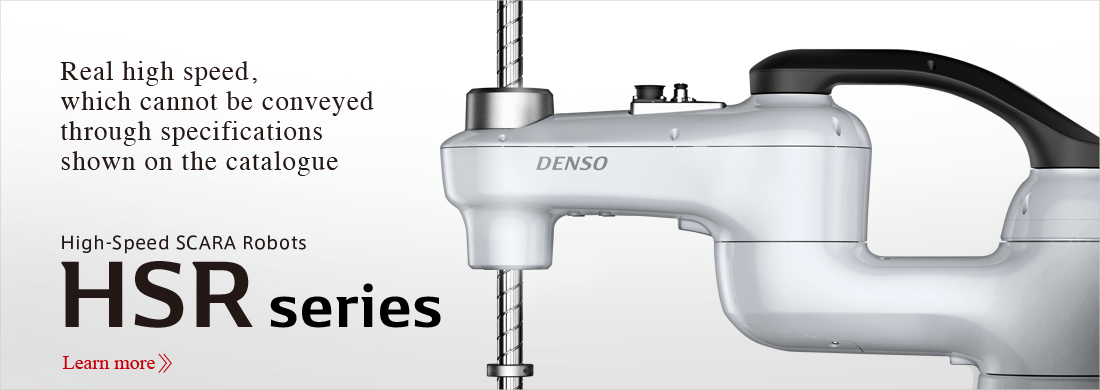
HSR Series, Pursuing “Real" High Speed
Retail Revolution of last 35 years
QR Code development story
CLOSE
About us
About us
Top Message
Corporate Philosophy
Corporate Outline
Business Fields
CSR
CLOSE
Downloads
Downloads
AUTO-ID
Catalogs
Manuals
Software/Drivers/Fonts
OS/Firmware
SDK/Sample programs
Documents/Others
Illustration Library (Product images)
System Solution
QR Code Solutions
IoT Solutions
Robotics
Catalogs
Manuals
Manuals(WEB)
CAD
Application software
Part List
White Paper
CLOSE
Support
Support
AUTO-ID
After-Sales Service
License
FAQ
Sales offices
Repair tools
Suppliers
Technical Information
Maintenance Service Information
Android Enterprise Recommended
System Solution
IoT Solutions
Robotics
After-Sales Service
FAQ
Knowledge Base
Sales offices
Discontinued Products
CLOSE
Contact us
Inquiries on products and services
AUTO-ID
General inquiries
Quotation
Demonstration machines
Technical inquiries
Inquiries about repair
Sales offices
System Solution
QR Code Solutions
IoT Solutions
Robotics
General inquiries
Technical inquiries
Inquiries on maintenance services
Sales offices
Inquiries on company information
CLOSE
Search
TOP
AUTO-ID
Products
Applications
Application scenes
Case Studies
Technical Info
Downloads
Support
Events
Contact us
Robotics
Products
Applications
Application scenes
Case Studies
Technical Info
Downloads
Support
Events
Contact us
System Solution
製品
活用事例
活用シーン
ダウンロード
サポート
お問合せ
QR Code Solutions
Products
Applications
Application scenes
Basic knowledge
Downloads
Contact us
IoT Solutions
Products
Applications
Application scenes
Downloads
Support
Contact us
About us
Top Message
Corporate Philosophy
Corporate Outline
Business Fields
GLOBAL
CSR
Technologies
News
Contact us
Member Menu
Auto-ID
Robotics
Application scenes
AUTO-ID
Manufacturing
Distribution
Retail
Retail (RFID)
Food
Medical/Pharmaceutical
Leisure
Office
Traffic
System Solution
Measures for preventing forgery
Mobile ticket generation
Coupon distribution
Robotics
Search by industry
Search by applications
Search by products
Case Studies
AUTO-ID
System Solution
Robotics
Technologies
Introducing IoT
HSR Series, Pursuing “Real" High Speed
Retail Revolution of last 35 years
QR Code development story
Business fields
AUTO-ID Business
Robot Business
Control Equipment Business
Hand-held terminal
Hand-held scanner
RFID
QR Code solutions
IoT Solutions
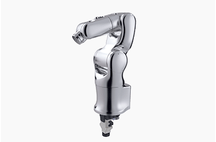
5-and 6-Axis robots
4-Axis (SCARA) robots
Collaborative Robots
Pharmaceutical/ Medical robots
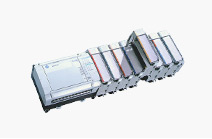
Control Equipment
News
New Product Information
2026.01.06
About us
DENSO WAVE’s Senior Management Organization
2025.06.26
About us
DENSO WAVE’s Senior Management Organization
2024.06.26
About us
DENSO WAVE’s Senior Management Organization
2024.03.11
About us
Notice of revised Privacy Policy
2023.10.11
Robotics
Web Manual Service Temporarily Unavailable due to Server maitenance
more
2026.06.04
AUTO-ID
Update the UR40-H-ERU/UR50-M-ERU System Program and the Scanner Setting F.
2026.05.08
AUTO-ID
Update the X-N10/N15 common System Program, SDK and Android 13 Software User's Manual.
2026.04.17
AUTO-ID
Update the X-N10/N15 Hardtware User's Manual.
2026.03.09
AUTO-ID
Update the Device Management System and Device Management System User's Manual. And release the Device Management System for X-N10/15.
2026.02.26
AUTO-ID
Release the X-N10/N15 Hardtware User's Manual.
more
PICK UP